

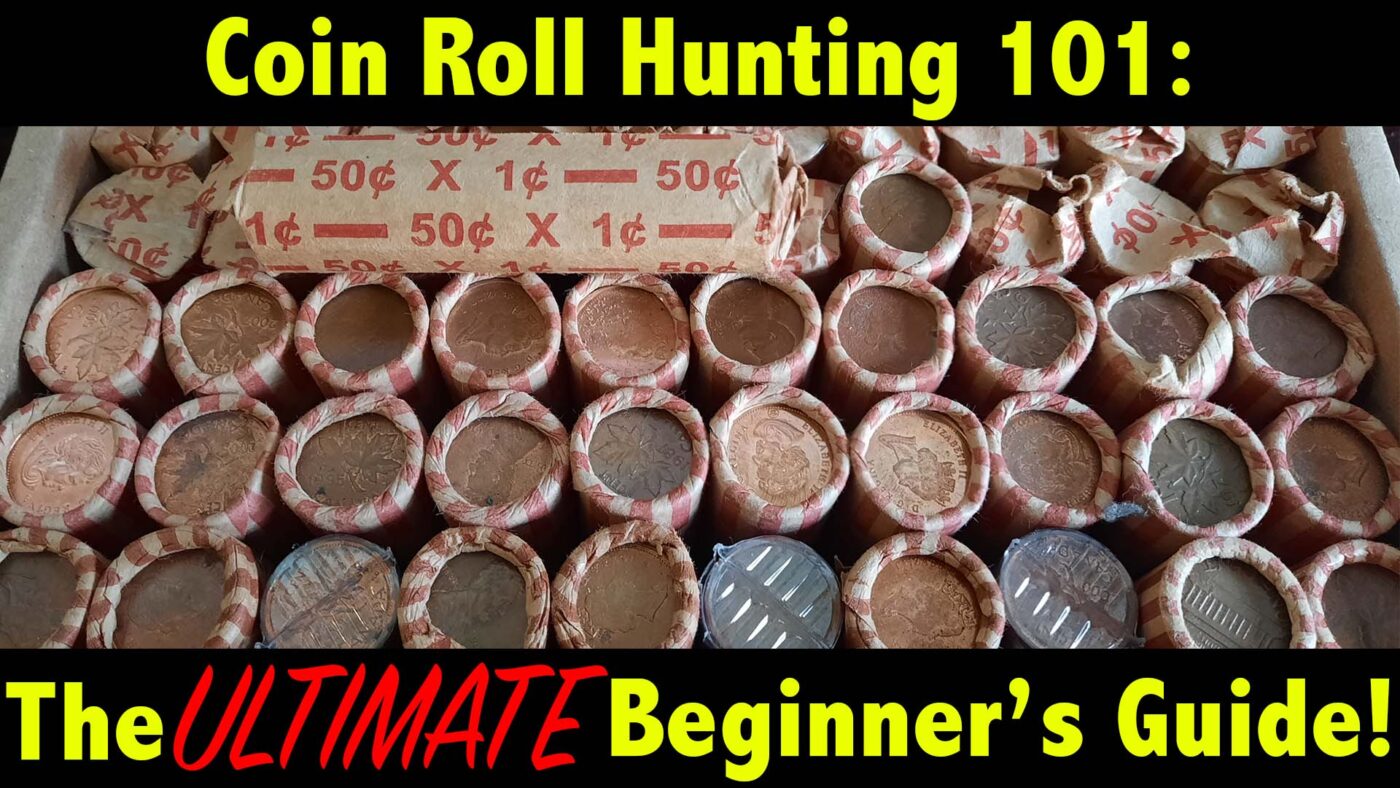
Coin Roll Hunting is looking through rolls of coins from the bank, trying to find interesting coins. We’re usually looking for:

  • rare or valuable coins
  • low-mintage coins
  • errors or varieties
  • foreign coins

If you were limited to looking through your pocket change your chances of finding something interesting are pretty low. Coin roll hunting does raises the odds by looking at large volumes of coins. It’s a cost-effective way to collect coins because you pay only the face value of the coins, and it only costs you what you keep.

The simplest answer is simply to go to a bank and ask for rolls or even full boxes of coins.

  • Having a bank account helps—many banks reserve coins for customers. You shouldn’t need a business account, just a regular one.

  • Always ask politely; the worst they can say is no!

  • Request circulated coins (mixed years) for the best chance at finds. Looking through a box of brand new uncirculated coins where they’re all the same year is no fun at all!

  • You may get customer-wrapped rolls (previously returned by people) or bank-wrapped rolls (machine rolled). In Canada, customer-wrapped can be best; in the U.S., bank-wrapped may yield better results.

  • You don’t have to start with a whole box—try 5–10 rolls to begin.

  • Beginners should pick one denomination (e.g., pennies in the U.S., nickels in Canada) since they’re inexpensive and often hold interesting finds.

If you’re going to look through lots of coins, you need to know what you’re looking for! There are lots of resources that will help you understand the landscape, including what  errors, varieties, and low-mintage coins you should be looking for. These can be valuable or rare.

  • Key resources:

    • U.S.: The Red Book: Annual guide with varieties, mintages, and values.

    • Canada: The Charlton Standard Catalogue of Canadian Coins.

    • Online:

      • CoinsandCanada.com: Canadian coins, errors, lots of pictures.

      • Variety Vista: U.S. varieties (e.g., doubled dies, repunched mint marks, over-dates).

      • Numista.com: International coins; also useful for cataloging your collection with a free account.

  • Cheat sheets can be a great help. Make notes or a spreadsheet of key dates/varieties so you don’t forget what to look for (have a look at my Coin Roll Hunting Mats – they’re a great cheat sheet!!)

Here are some important elements to consider when setting up your space:

  • Workspace: Use a clean, flat surface like a desk or table.

  • Mat: Protect your surface with a coin roll hunting mat (or substitute like a cutting mat or binder). Some mats sold by coin roll hunters also include cheat sheets. Check out my web store to see mine!

  • Cheat sheet: Keep notes or a spreadsheet nearby to track key dates, varieties, and errors and to log what you find.

  • Lighting: Good lighting is essential. Combine overhead light with task lamps to clearly see coin details.

Essential Tools for Coin Roll Hunting:

  • Reading glasses: Coins are small and, if you’re close-up eyesight is starting to faile like mine, reading glasses are really helpful!

  • Jeweler’s loupe:  Inexpensive magnifier for checking details, errors, and varieties.

  • USB digital microscope: Gives a close-up view on a computer screen, useful for spotting tiny errors; can also take photos and videos.

  • Magnification lamp: Handy for quick, close looks without the microscope.

  • Digital scale (grams, to 0.01g): Distinguishes coins by weight (e.g., copper vs. zinc cents).

  • Magnet: Especially useful in Canada to tell silver from nickel or steel coins.

  • Cotton gloves: Protect your hands from dirt and prevent oils from damaging valuable coins.

  • Coffee: Optional, but always nice for long hunts!

How to Store and Protect Your Coins

  • 2×2 cardboard flips: Cheap, easy to label, and great for noting errors/varieties. Best used with a flat stapler to avoid catching.

  • Binders & album pages: Flips can be stored in protective binder sheets for easy viewing.

  • Coin albums/folders: Options range from affordable Whitman folders to higher-end albums (like Lighthouse Vista) for a polished display.

  • Capsules & tubes: Good for preserving special coins (capsules) or storing multiples/bulk (tubes).

  • Grading/slabbing: Coins sealed by professional grading companies; only worth the cost for high-value coins.

  • Storage conditions: Keep coins in a cool, dry, stable environment to prevent tarnish or damage.

What to Do With Coins You Don’t Keep:

  • Return unwanted coins to the bank.

  • Use a different bank (dump bank) for returns to avoid getting the same coins back when you pick up new rolls.

  • Having an account at your dump bank makes returns easier: you can deposit coins directly.

  • Frequency matters: if you hunt often, always use a dump bank. If you hunt rarely, turnover is usually enough so that when you ask for rolls, they won’t be the same ones you’ve already looked through.

  • Most banks require coins to be rolled:

    • In Canada: reuse customer-wrapped rolls when possible.

    • In the U.S.: some banks have coin machines for loose change.

  • If you need new wrappers, banks will usually provide them for free, so you shouldn’t need to buy any!